
The Morning Light Ritual That Transformed My Health
There’s a moment in late summer when the light changes. The mornings grow quieter. The shadows stretch a little longer by afternoon. Something in your body notices before your mind does it’s; a subtle shift, a slowing down, a whisper that the season is turning.
Our ancestors built their entire calendars around this. They didn’t just observe the light; they lived in relationship with it. And modern science is finally catching up to what they already knew: sunlight isn’t something to fear. It’s something your body desperately needs.
The Prescription That Changed Everything
A few years ago, I was diagnosed with Addison’s disease. My circadian rhythms were severely disrupted, and my body had essentially stopped producing cortisol. I was exhausted in a way that sleep couldn’t fix, and I was bracing for a long road of medical intervention.
Then my doctor gave me the best prescription I’ve ever received.
Go outside every morning for fifteen minutes. Take a bath at night.
That was it. Within six weeks, my body had healed and was producing cortisol again.
I’ve spent years since then researching why that worked; and what I found transformed not just how I think about health, but how I practice beauty. Because it turns out, light isn’t just medicine. It’s the foundation everything else is built on.
Vitamin D: More Than a Supplement: it’s a hormone.
Most of us think of vitamin D as something we take in a capsule when we remember. But vitamin D synthesized through sun exposure on your skin behaves more like a hormone than a vitamin
…and its effects reach into nearly every system in your body.
What adequate vitamin D supports:
• Skin health: Supports the skin barrier, reduces inflammation, and helps prevent acne, eczema, and psoriasis flares
• Hair growth: Plays a key role in follicle cycling and regrowth — deficiency is directly linked to thinning and shedding
• Mood and energy: Boosts serotonin and dopamine production; deficiency is associated with depression, fatigue, and brain fog
• Immune strength: Regulates immune response and lowers risk of autoimmune conditions
• Hormone balance: Supports the endocrine system and helps regulate estrogen, cortisol, and thyroid function
• Sleep quality: Helps calibrate your circadian rhythm and supports healthy melatonin production
• Cellular repair: Antioxidant effects reduce oxidative stress and support mitochondrial function
Vitamin D deficiency has also been correlated with increased risk of over a dozen cancers; including breast, colon, prostate, and skin cancer. This peer-reviewed research has been building for decades while public health messaging continued to tell us to stay out of the sun.
Why Red Light Is Having a (Well-Deserved) Moment
Red and near-infrared light therapy (typically 630 to 850 wavelengths ) is backed by solid science and it’s beautifully aligned with the kind of ancestral light exposure humans evolved with: sunrise, sunset, firelight. When great-great-grandmother sat by the fire every evening, she was doing light therapy.
What red light therapy does for your skin and hair:
• Stimulates collagen production- reduces fine lines, wrinkles, and sagging
• Improves skin texture and tone which fades hyperpigmentation, scarring, and sun damage
• Calms inflammation which helps with acne, rosacea, and sensitive skin
• Speeds wound healing and enhances cellular regeneration
• Reduces hair loss by boosting circulation and follicle activity in the scalp
Many tanning salons now offer red light beds so skip the UV and opt for red or infrared instead. It’s one of the most accessible and underused beauty tools available.
The Case For Sunlight:
For decades, the messaging was simple: sun is dangerous, SPF is protection, stay covered. And there’s truth embedded in that…
unprotected, prolonged exposure during peak hours is can be genuinely harmful. But the overcorrection created its own health crisis.
Studies now show that moderate, regular sun exposure is associated with reduced all-cause mortality which means that people who get consistent daily sunlight actually live longer. The problem isn’t the sun. It’s the pattern of complete avoidance followed by intense unprotected exposure .
The Real Issue: Context & Dose
It’s not the sun that’s the problem, it’s how we’ve divorced ourselves from natural exposure patterns.
Daily brief exposure (5–20 min depending on skin tone and location) without sunscreen allows your body to synthesize vitamin D safely.
Morning and late afternoon sun carries less UVB but still supports circadian rhythm and hormone health.
Problems arise when we avoid the sun completely, then get blasted on vacation with 8 hours of unprotected exposure at noon.
The Problem with Chemical Sunscreens
Ingredients like oxybenzone and avobenzoneare known hormone disruptors. They also oxidize in the can and can create Benzene a known carcinogen that causes, you guessed it, skin cancer! In a recent study, the lab Valisuretested 661 sunscreen and after-sun productsacross 108 brands and found:
Benzene was detected in approximately 29% of all products tested.
Roughly 11% contained benzene levels that exceeded the FDA’s conditional safety threshold of 2 parts per million some were as high as 6ppm.
Your skin is your largest organ. These chemicals and carcinogens absorb through your skin and into your bloodstream. They block vitamin D production critical for all of the above mentioned benefits.
Better Sun Protection
Use zinc oxide it’s safe, effective, sits on the skin.
Try sun exposure in the early morning or golden hour.
Cover up during peak hours instead of slathering on chemicals.
DIY
You can make your own sunscreen with tallow, coconut oil, and non-nano zinc oxide.
Favorite Artisan
My favorite sunscreen is made by Mae Kinglove and can often be found here ➡️Mae Kingloveor here ⬇️ www.mkcreations.mayhem.my
Though everything she makes is handmade and small batch. So reach out for more info.
Mass- Market Pick
Badger balm zinc sunscreen is one of the best products that is easily accessible in most stores.
Worshipping the Sun
Now that we know the importance of sunlight let’s make it a ritual.
Morning sunlight sets your body clock, boosts mood, and supports hormone balance.
Consider spending the first 15 minutes after you wake up outside. Sip your tea, drink your coffee, or walk your dog. You can also try adding sun salutations for the added benefit of exercise and nervous system reset since it activates every major muscle group which improves strength, flexibility, and joint health. It also boosts circulation and lymphatic flowand supports detoxification and radiant skin. It also supports dopamine and serotonin regulation, especially when practiced in sunlight.
Red light for skin health. Many tanning salons now offer red light tanning beds so skip the UV and opt for red and infrared light instead.
Evening light helps your body unwind and sleep better. Take advantage of the weather if you can and eat your dinner outside. The evening sun signals to your brain it’s nearly time for bed and will trigger melatonin release.1
Beauty Bath skin ritual consider taking a bath in the evening with Epsom salts. You can also include skin brushing to gently exfoliate that dry dehydrated skin and rehydrate after with shea, coconut, or tallow moisturizers.
Before You Go…
Think of this dispatch as your gentle nudge to step outside, lift your face to the sky, and remember: you were built for light.
If anything here resonated or simply made you reconsider your sunscreen then share it.
Send it to a friend who still thinks beauty comes in a bottle. Post it to your stories. Print it out and stick it next to your coffee.
And most importantly… try it.
Tomorrow morning, before the scroll and the scramble, walk outside barefoot. Watch the light change. Breathe it in. Your body is wiser than you think.
I’ll see you here next week. We’ll talk hair, ritual rinses, and what rosemary really does.
Until then, stay luminous.
Christi
Hi! I am a licensed cosmetologist with over 15 years of beauty experience and a science and ancestral wisdom enthusiast.
Harvard Health Publishing (2018). Blue light has a dark side.
➤ Describes how light at the wrong time disrupts circadian rhythm.
https://www.health.harvard.edu/staying-healthy/blue-light-has-a-dark-side
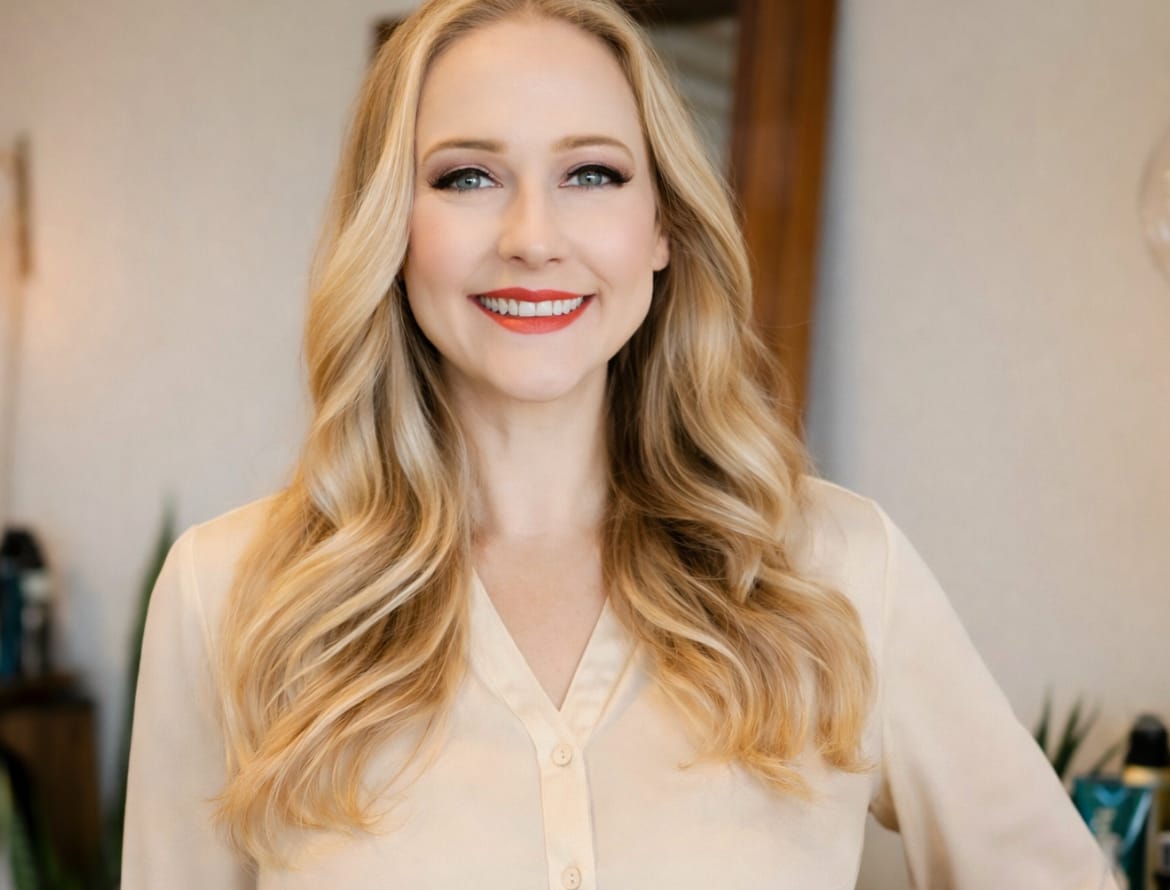
HEY, I’M Christi…
Christi Lanz is a licensed Hairstylist , seasonal color analyst, and founder of Ritual Beauty Consulting. Her work sits at the intersection of modern color science and ancestral wisdom, blending LAB-based Colorimetry and holistic beauty philosophy into something your great grandmother would recognize and your colorist would respect.
Based in the Pacific Northwest, She believes beauty is not a trend to chase, but a rhythm to inhabit, rooted in cycles of the earth, the seasons, and the body.


GET THE FREE GUIDE
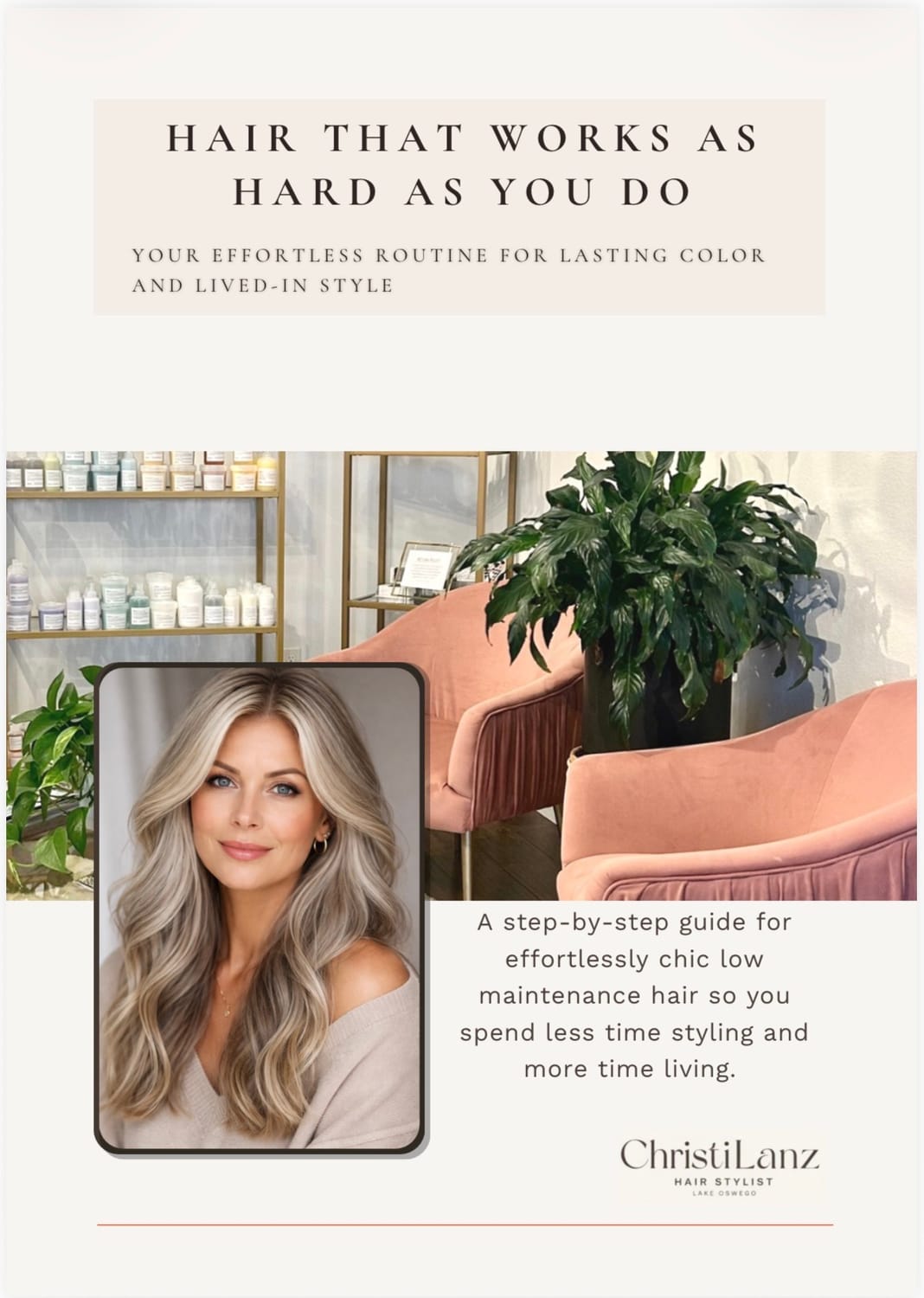
SUBSCRIBE TO RITUAL BEAUTY
Christi Lanz is a Hairstylist at Trent Edward Salon in Lake Oswego, OR
Quick links
Newsletter
Subscribe now to get monthly updates
Created with © systeme.io